 By
By Wards in Kigumo Sub-County, Murang’a County: Towns, Landmarks, Economy & Opportunities
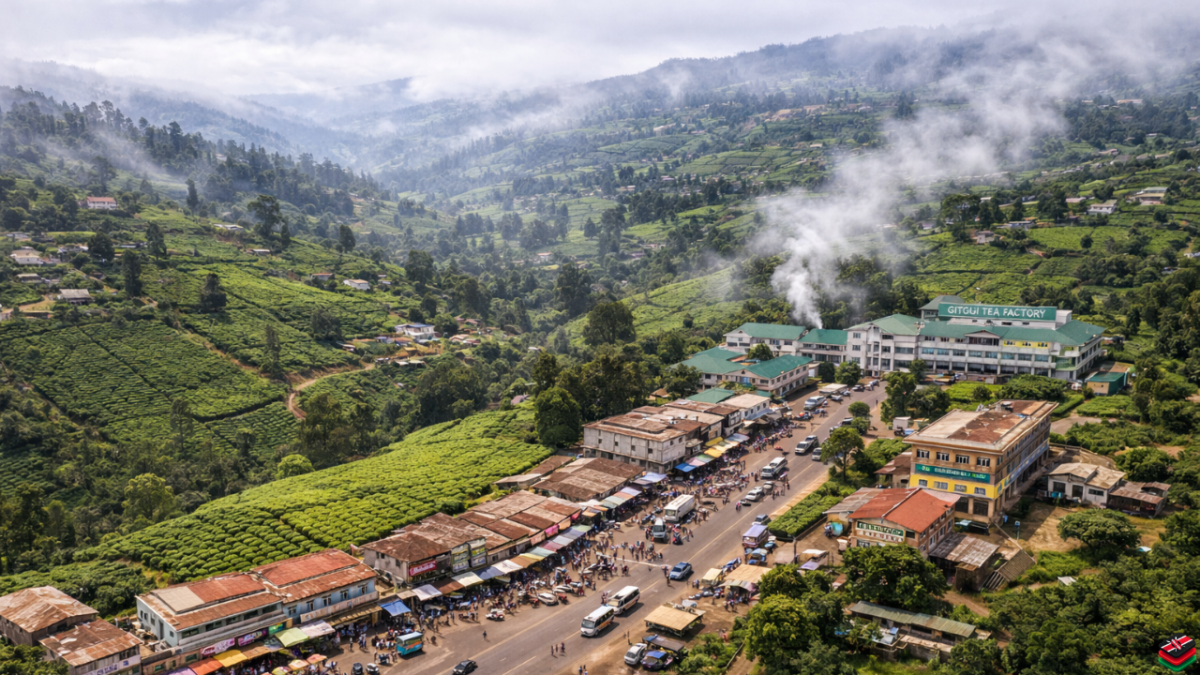
Kigumo Sub-County lies in the western part of Murang’a County, bordering Nyeri County and stretching toward the Aberdare ranges. The sub-county sits at relatively high altitude, which gives it cool temperatures and reliable rainfall throughout the year.
Free Digital Marketing & Entrepreneurship Online Courses. Click Here to Enroll.
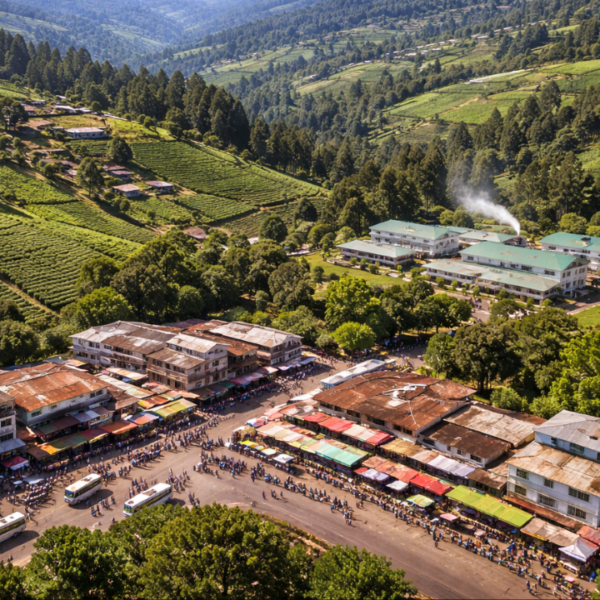
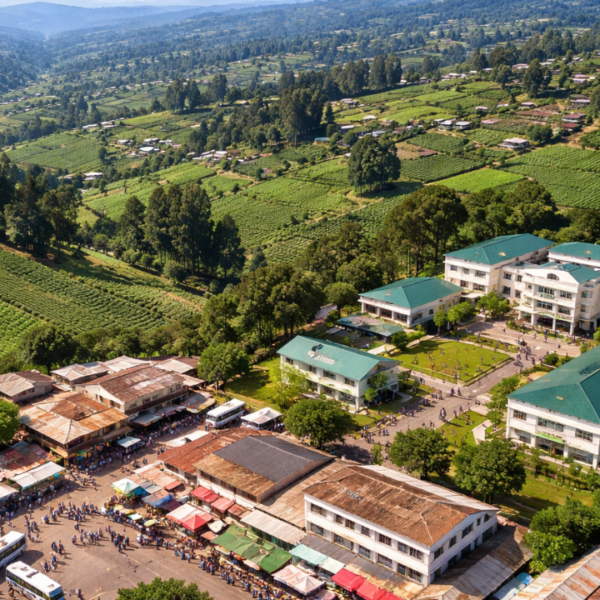
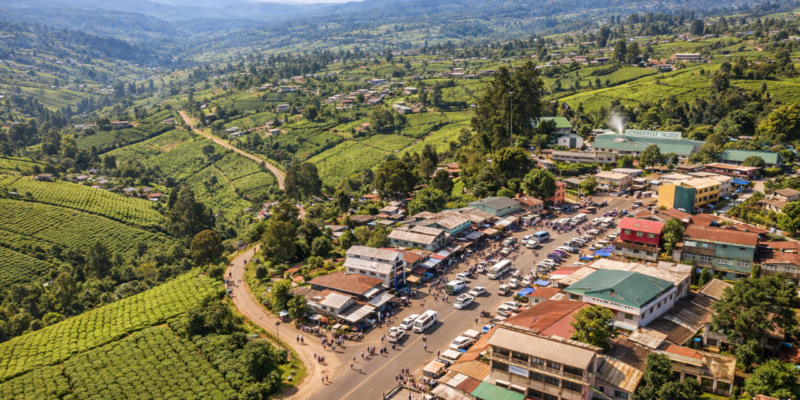
Kigumo Town serves as the administrative centre. From here, roads link Kigumo to Kangema, Mathioya, Murang’a Town, and Nyeri. Agriculture dominates daily life, with tea farming as the backbone of the local economy.
List of Sub-counties / Constituencies in Murang’a County
Understanding the wards in Kigumo Sub-County
Kigumo Sub-County has five wards, as per IEBC ward boundaries:
-
Kangari Ward
-
Kinyona Ward
-
Muthithi Ward
-
Kigumo Ward
-
Kahumbu Ward
These wards are closely connected through tea factories, access roads, schools, and markets. Movement between wards is constant, especially for tea delivery, education, healthcare, and administrative services in Kigumo Town.
Kangari Ward: major market centre and tea-driven commerce
Kangari Ward is one of the most recognisable parts of Kigumo Sub-County. It hosts Kangari Town, a busy trading centre with banks, shops, markets, and transport services.
The ward is strongly associated with tea farming and processing. Kangari Tea Factory anchors the local economy and supports thousands of smallholder farmers from Kangari and neighbouring wards.
Economic profile:
-
Tea farming and cooperative activity
-
Retail trade and transport services
-
Small hospitality businesses around the town centre
Kinyona Ward: highland agriculture and forest-adjacent zones
Kinyona Ward lies closer to the Aberdare forest ecosystem, which gives it cooler weather and higher rainfall. The landscape is strongly rural, with tea fields, food crop farms, and forest-adjacent settlements.
Tea remains the main cash crop. Farming households rely on buying centres and feeder roads that connect to factories and markets in Kangari and Kigumo.
Key characteristics:
-
Dispersed rural settlements
-
Tea and food crop farming
-
Strong dependence on road access and forest water catchments
Muthithi Ward: community institutions and steady rural life
Muthithi Ward reflects Kigumo’s traditional rural settlement pattern. Villages cluster around schools, churches, and small shopping centres.
Agriculture supports most households. Tea and subsistence food crops dominate, while local markets handle everyday trade. Many residents travel to Kangari or Kigumo Town for higher-level services.
Local identity:
-
Schools and churches as landmarks
-
Strong community networks
-
Farming-based livelihoods
Kigumo Ward: administration and service access
Kigumo Ward hosts Kigumo Town, making it the administrative and service hub of the sub-county.
Public offices, secondary schools, markets, and health facilities cluster here. Transport links radiate outward to all other wards, which makes Kigumo Ward central to daily movement and coordination.
Key role:
-
Administrative centre
-
Access point for public services
-
Education and healthcare hub
Kahumbu Ward: rural landscapes and farming livelihoods
Kahumbu Ward is predominantly rural, with widely spread farms and villages. Tea farming dominates, supported by food crops for household consumption.
Road access plays a major role in daily life. Residents depend on feeder roads to reach buying centres, schools, and health facilities in neighbouring wards.
Ward character:
-
Low-density settlement
-
Agriculture-focused economy
-
Strong reliance on cooperative systems
Main learning institutions in Kigumo Sub-County
Kigumo Sub-County hosts several secondary schools and primary schools distributed across all wards. Schools often act as both education centres and community landmarks.
Post-secondary and tertiary training access typically relies on institutions in:
-
Murang’a Town
-
Kangari
-
Neighbouring sub-counties such as Mathioya and Kangema
Youth from Kigumo increasingly combine farming with vocational training and small enterprise.
Key economic activities in Kigumo
Kigumo’s economy is heavily agriculture-driven, with tea at its core:
-
Tea farming and processing (Kangari Tea Factory and associated buying centres)
-
Food crop farming for household and local market supply
-
Retail trade in Kangari and Kigumo towns
-
Transport and logistics linked to tea and agricultural inputs
Cooperative systems remain central to income stability across the sub-county.
Healthcare and public services
Residents access healthcare through local dispensaries and health centres across the wards. For higher-level care, referrals are commonly made to facilities in:
-
Kigumo Town
-
Murang’a Town
-
Nyeri
This regional referral pattern reflects Kigumo’s position between Murang’a and Nyeri counties.
Tourism, landmarks, and local experiences
Kigumo is not a mainstream tourist destination, but it offers strong local and eco-linked appeal:
-
Highland scenery and tea landscapes
-
Forest-adjacent environments near the Aberdare ecosystem
-
Agricultural life experiences, especially tea farming and cooperative activity
These features create potential for agri-tourism and eco-linked tourism, especially with improved access roads.
Development opportunities in Kigumo Sub-County
Several development paths stand out:
-
Tea value addition (quality improvement, branding, diversification)
-
Road and feeder infrastructure upgrades to support farming and market access
-
Youth-focused agribusiness and skills training
-
Eco- and agri-tourism initiatives tied to highland landscapes
Kigumo’s stable climate and experienced farming communities provide a strong base for long-term growth.
Frequently searched questions about Kigumo Sub-County
How many wards are in Kigumo Sub-County?
Kigumo Sub-County has five wards: Kangari, Kinyona, Muthithi, Kigumo, and Kahumbu.
What is the main town in Kigumo Sub-County?
Kigumo Town is the administrative centre, while Kangari Town is the main commercial hub.
What economic activity dominates Kigumo?
Tea farming and cooperative-based agriculture dominate the local economy.
What's your reaction?