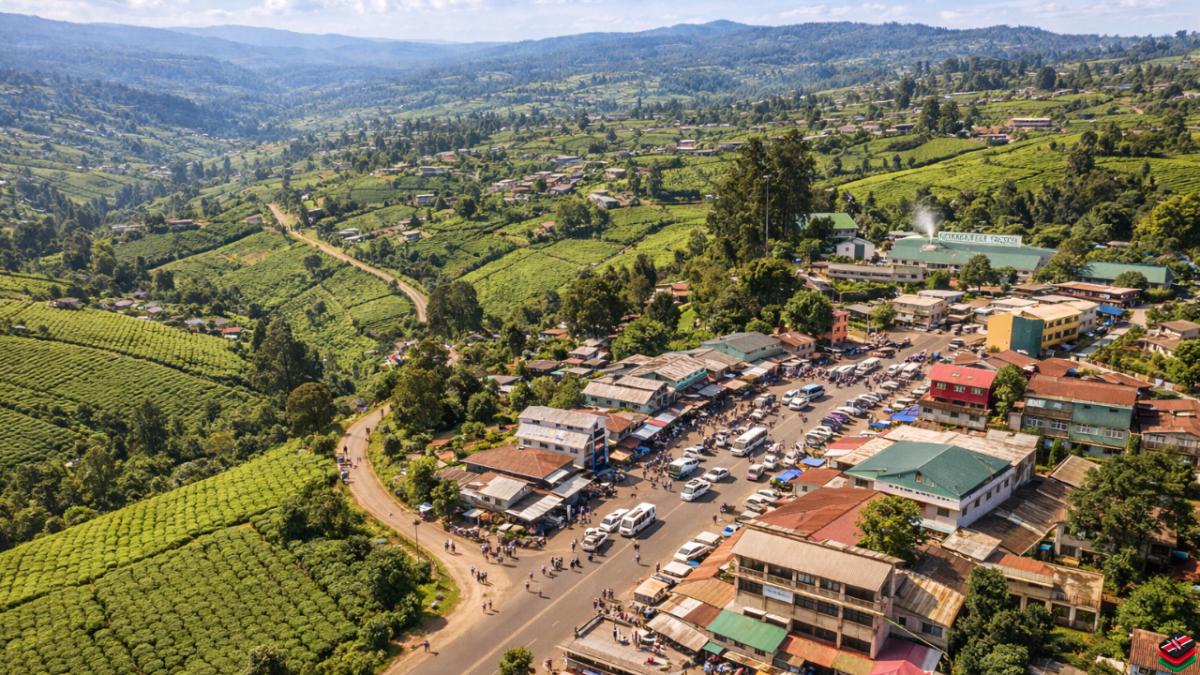
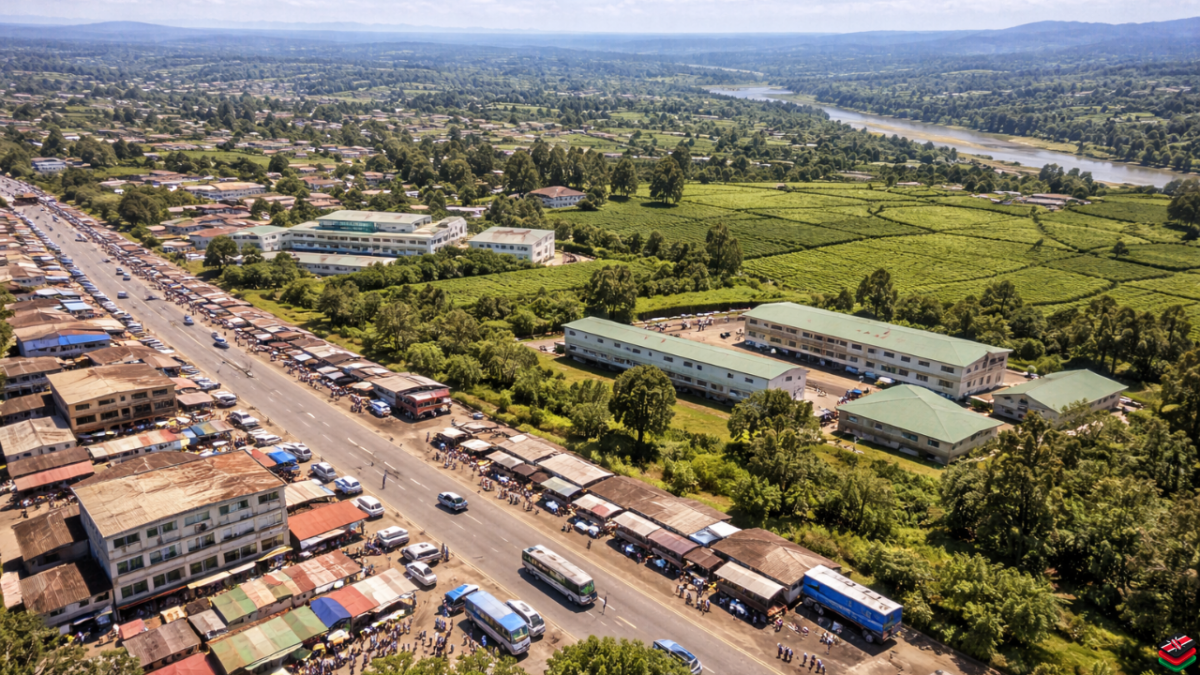
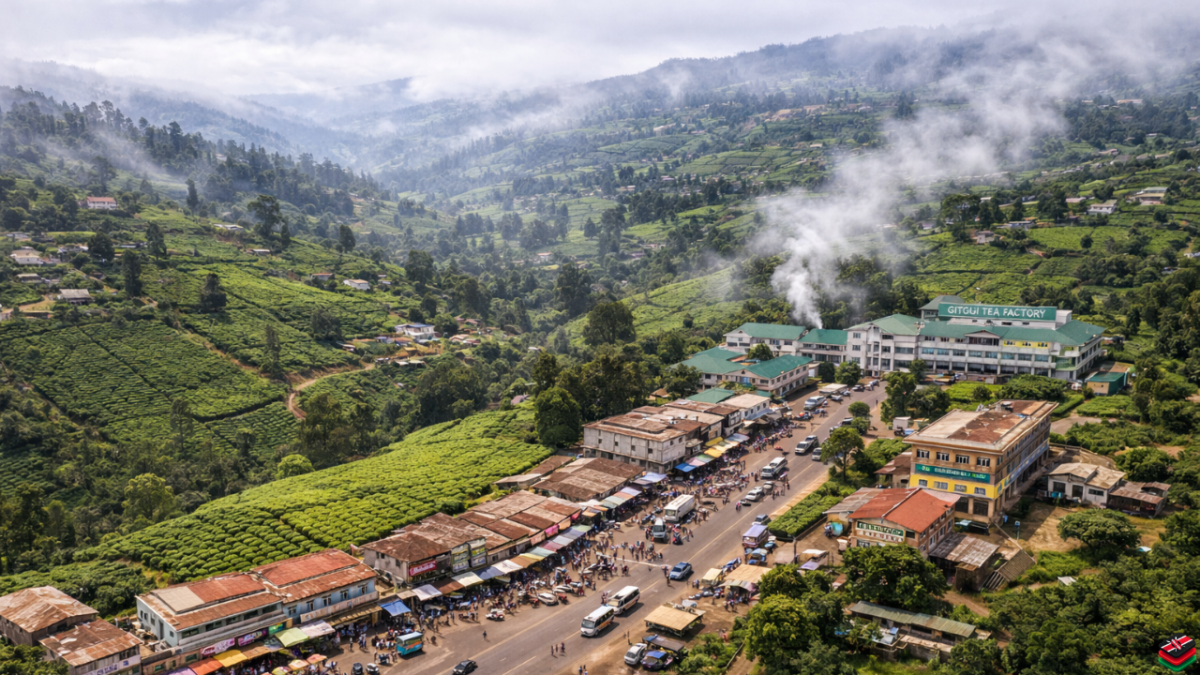
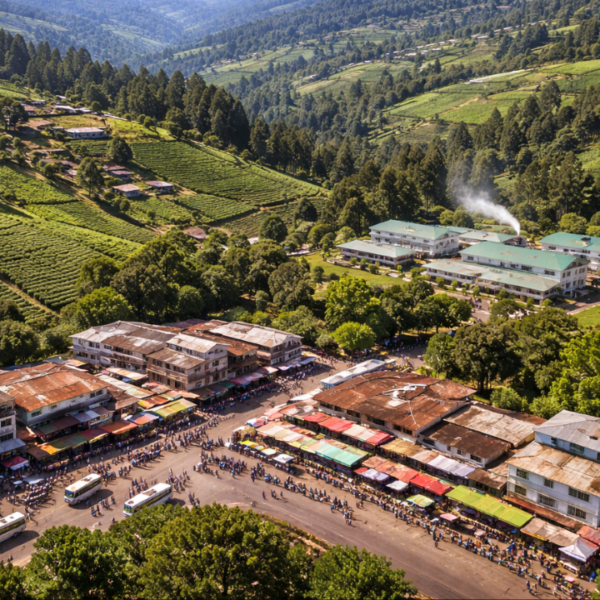
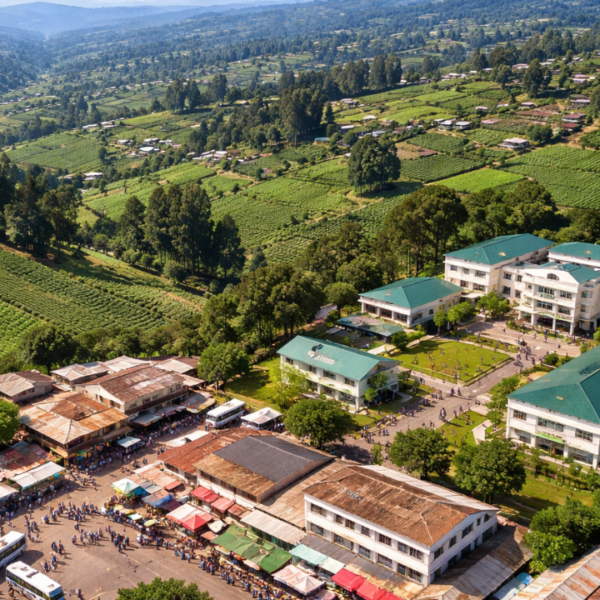
Kiharu Sub-County sits at the administrative and urban core of Murang’a County. It hosts the county headquarters and concentrates most county-level services, institutions, and commercial activity.
Free Digital Marketing & Entrepreneurship Online Courses. Click Here to Enroll.
Murang’a Town serves as both the county headquarters and the sub-county’s main urban centre. From Murang’a Town, major roads link Kiharu to Kandara, Kigumo, Maragwa, Mathioya, and Kangema. Because of this centrality, Kiharu experiences higher population density and faster urban growth than other sub-counties.
List of Sub-counties / Constituencies in Murang’a County
Understanding the wards in Kiharu Sub-County
Kiharu Sub-County has six wards, as defined by IEBC boundaries:
-
Township Ward
-
Mugoiri Ward
-
Mbiri Ward
-
Murarandia Ward
-
Gaturi Ward
-
Wangu Ward
These wards are tightly interconnected. Residents move daily between them for work, education, healthcare, administration, and trade. Urban expansion from Murang’a Town continues to influence land use across multiple wards.
TOWNSHIP WARD: Murang’a’s administrative and commercial heart
Township Ward hosts Murang’a Town, making it the most urbanized ward in Murang’a County.
County government offices, courts, banks, hotels, schools, and major markets are concentrated here. The ward also serves as a transport hub, linking Murang’a to Nairobi, Thika, Nyeri, and surrounding sub-counties.
Key features:
-
County administration and public offices
-
Major markets and retail centres
-
Transport and hospitality services
Township Ward drives Murang’a’s day-to-day economic and governance activity.
Mugoiri Ward: agriculture and research institutions
Mugoiri Ward blends rural farming with significant institutional presence. The area supports tea, food crop farming, and dairy activity.
A major landmark is KALRO Mugoiri, an agricultural research centre that has played a long-standing role in crop and livestock research. This presence gives the ward a unique profile within the sub-county.
Economic profile:
-
Tea and food crop farming
-
Agricultural research and extension influence
-
Rural trading centres
MBIRI WARD: growing residential zones and mixed livelihoods
Mbiri Ward lies close to Murang’a Town and has experienced steady residential growth. Housing developments, small businesses, and service centres continue to expand.
Many residents work in Murang’a Town while maintaining small-scale farming or businesses within the ward. This mix creates a semi-urban character.
Ward character:
-
Residential expansion
-
Small-scale trade and services
-
Strong links to Murang’a Town
MURARANDIA WARD: farming communities and local markets
Murarandia Ward remains predominantly rural. Agriculture supports most households, with food crops, tea, and small livestock farming common.
Local shopping centres, schools, and churches anchor community life. Roads linking the ward to Murang’a Town and neighbouring wards support movement for markets and services.
Key traits:
-
Rural settlement patterns
-
Agriculture-driven livelihoods
-
Community-centred institutions
GATURI WARD: education hubs and peri-urban growth
Gaturi Ward is widely recognised for education institutions, particularly secondary schools that draw students from across the county.
At the same time, parts of the ward are experiencing peri-urban growth due to proximity to Murang’a Town. Residential development and service businesses continue to increase.
Economic and social role:
-
Education-focused landmarks
-
Emerging residential estates
-
Retail and service activity
WANGU WARD: rural landscapes and agricultural stability
Wangu Ward sits further from Murang’a Town and retains a strongly rural character. Farming dominates livelihoods, supported by favourable soils and rainfall.
Villages are spread out, and daily life revolves around farming cycles, schools, churches, and local markets. Road access remains central to economic participation.
Ward identity:
-
Agriculture-focused economy
-
Dispersed rural settlements
-
Strong community networks
Main learning institutions in Kiharu Sub-County
Kiharu Sub-County hosts Murang’a County’s largest concentration of learning institutions:
-
Numerous primary and secondary schools across all wards
-
County-level teacher training, secondary education, and private institutions concentrated around Murang’a Town
-
Access to TVET and tertiary institutions within Murang’a Town and neighbouring sub-counties
Schools in Kiharu often serve students beyond ward boundaries.
Key economic activities in Kiharu
Kiharu’s economy is diverse and service-driven, supported by agriculture:
-
County administration and public services
-
Retail, wholesale, and hospitality trade
-
Education and healthcare services
-
Agriculture (tea, food crops, dairy) in outer wards
This mix makes Kiharu Murang’a’s economic and institutional anchor.
Healthcare and major public infrastructure
Kiharu hosts Murang’a County’s highest-level public healthcare facility:
-
Murang’a County Referral Hospital
This hospital serves all sub-counties and neighbouring regions. Smaller health centres and dispensaries across Kiharu support primary healthcare needs.
Tourism, landmarks, and local experiences
Kiharu is not a traditional tourist destination. However, it offers:
-
Urban experiences in Murang’a Town
-
Cultural and institutional landmarks linked to county history
-
Agri-urban landscapes blending town life and farming
Its role is primarily service-oriented rather than leisure-focused.
Development opportunities in Kiharu Sub-County
Kiharu presents strong opportunities in:
-
Urban housing and real estate
-
Retail and commercial property development
-
Education and training services
-
Health-support services (pharmacies, diagnostics, staff housing)
Continued urban growth makes Kiharu central to Murang’a’s future development.
Frequently searched questions about Kiharu Sub-County
How many wards are in Kiharu Sub-County?
Kiharu Sub-County has six wards: Township, Mugoiri, Mbiri, Murarandia, Gaturi, and Wangu.
What is the main town in Kiharu Sub-County?
Murang’a Town serves as both the sub-county and county headquarters.
Why is Kiharu important within Murang’a County?
It hosts county administration, major hospitals, and the largest urban economy.
What's your reaction?