School feeding programs work best when they solve two problems at once. They help learners concentrate, and they reduce the daily pressure on families. In Gatanga Constituency, the Dishi ya Wakili – Tap to Eat Program presents a structured approach to school meals with a strong focus on dignity, accountability, and equal access.
Find Jobs or Hire Talent on Murang’a County’s No.1 Jobs Website
This article explains what the program is, how it likely operates in practice, and the key outcomes highlighted in the official poster shared to the public.
What Is the Dishi ya Wakili Tap to Eat Program?
Dishi ya Wakili is a school feeding initiative associated with Gatanga Constituency leadership. The “Tap to Eat” idea suggests a cashless, trackable meal access system, where eligible learners access meals through a simple tap-based method rather than handling cash.
That model matters because it can reduce leakage, improve fairness, and simplify reporting. At the same time, it protects learners from stigma by standardizing how meals are issued.
Read:Hon. Edward Wakili Muriu: A Profile of Leadership, Law, and Public Service
How “Tap to Eat” Works in Real Life
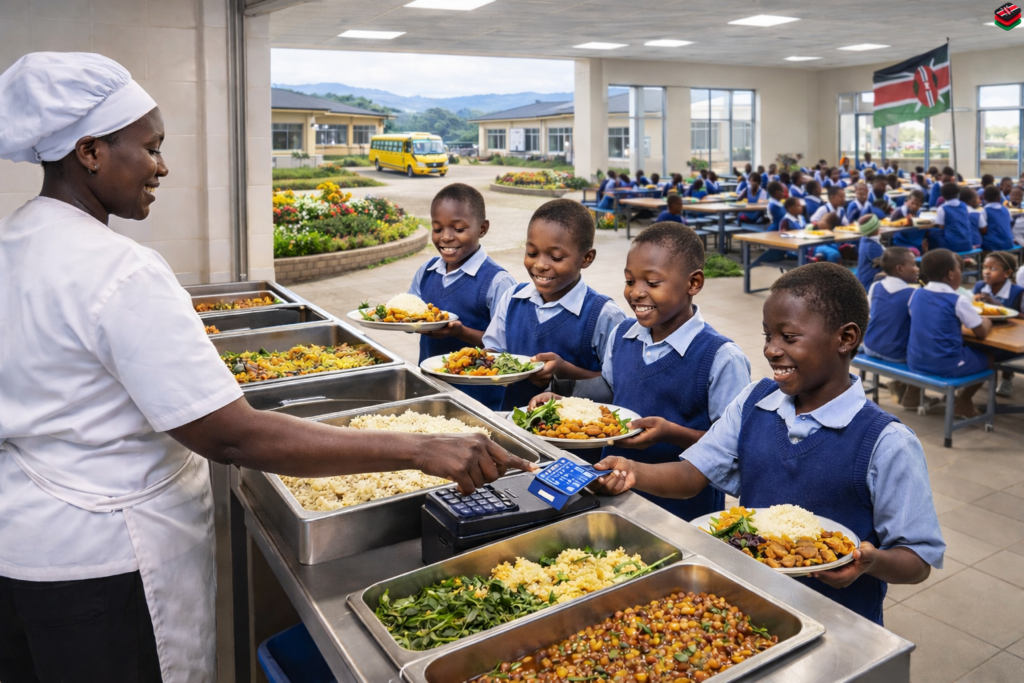
This image is AI generated.
Even when details differ from school to school, tap-to-eat systems usually follow the same logic. The program sets a clear meal plan, identifies learners or schools covered, and then uses a simple digital method to confirm each meal served.
Here is a practical breakdown of what a well-run tap-to-eat model includes:
| Component | What it does | Why it matters |
|---|---|---|
| Learner identification | A card, band, code, or roster-based “tap” system | Reduces confusion and prevents double-serving |
| Meal service tracking | Records how many meals are issued daily | Improves transparency and planning |
| Supplier and kitchen controls | Verified vendors and measured portions | Protects quality and value for money |
| Reporting | Regular summaries for oversight teams | Strengthens accountability |
| Safeguards | Clear rules for eligibility and meal times | Promotes fairness |
Key Impacts of the Program
The poster highlights several outcomes. These are practical, education-linked results that many school feeding programs aim to achieve. However, they only appear consistently when implementation stays disciplined.
1) Improved learner concentration
A learner who eats well can focus better in class. As a result, teachers spend less time managing fatigue and low attention, especially in afternoon lessons.
2) Higher school enrolment and attendance
School meals can attract and retain learners, particularly in households under pressure. In addition, consistent meals can reduce absenteeism linked to food insecurity.
3) Reduced dropouts
Dropouts often rise when families struggle with basic needs. A dependable meal at school eases that burden and can help keep learners in class.
4) Improved academic performance
Concentration and attendance influence performance. Therefore, a feeding program can support better results over time, especially when paired with strong teaching.
5) Eases parents’ burden
When a child gets a meal at school, families can redirect limited resources to transport, uniforms, books, or rent. That relief matters, particularly for households with multiple school-going children.
6) Promotes learner dignity
A tap-to-eat model can reduce embarrassment. It creates a uniform process that avoids visible “who paid” and “who didn’t” situations.
7) Enhances accountability
Cashless systems reduce gaps because they generate records. Consequently, oversight improves across food deliveries, meal counts, and supplier performance.
8) Saves learning time
When feeding is organized, learners spend less time leaving school to look for food or going home early. It also reduces disruptions during class hours.
9) Promotes equality among learners
The program messaging emphasizes fairness. That is important because perceived inequality can create tension and stigma in schools.
10) Strengthens schools
When attendance improves and learners stay engaged, school stability improves too. Additionally, structured feeding can strengthen school routines and management systems.
11) Builds future human capital
Feeding programs are not just welfare. They are an investment in healthier learners, stronger outcomes, and a more productive future workforce.
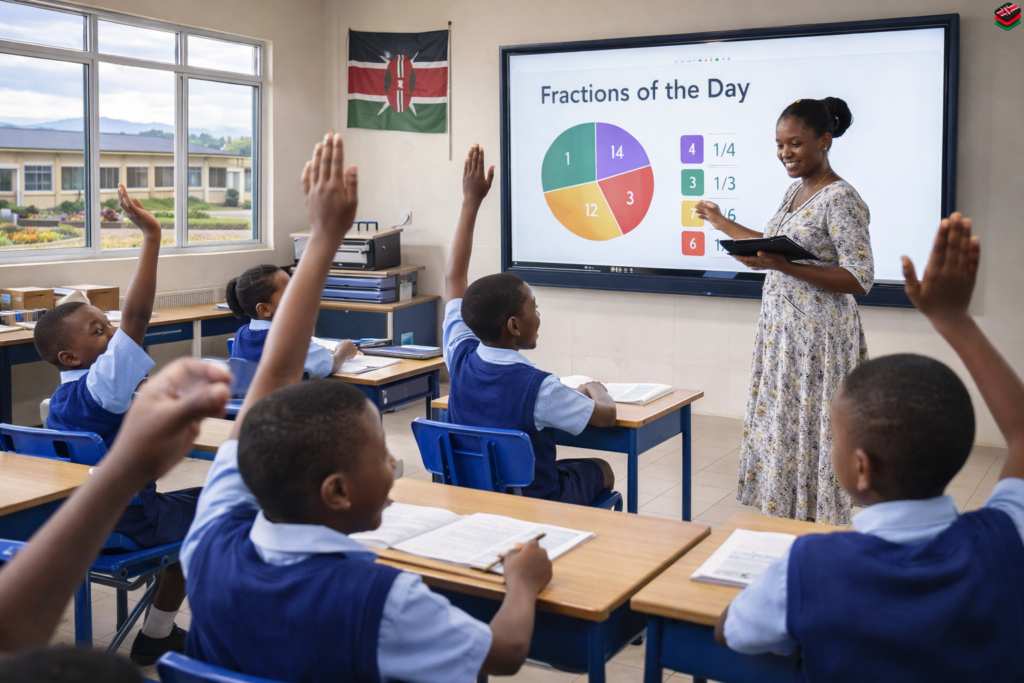
This image is AI generated.
What Makes a School Feeding Program “High-Quality”
A serious feeding program needs more than good intentions. It needs clear standards. These areas determine whether the program delivers real value:
| Quality area | What to look for |
|---|---|
| Nutrition | Balanced meals that support growth and energy |
| Hygiene | Clean kitchens, safe water, and proper food handling |
| Consistency | Predictable meal schedules and reliable supply |
| Monitoring | Transparent records, visits, and feedback channels |
| Fairness | Clear rules on coverage and eligibility |
| Value for money | Competitive procurement and verified deliveries |
Common Risks and How Strong Programs Reduce Them
Every feeding program faces predictable risks. The difference lies in controls.
Typical risks include supply disruption, poor hygiene, inconsistent portions, or weak oversight. Strong programs reduce these problems through clear supplier agreements, meal tracking, and school-level monitoring.
If you want the program to remain trusted, then transparent reporting matters just as much as the food itself.
What Parents and Community Members Can Do
Residents benefit most when they engage constructively. If your child’s school participates, focus on practical support:
-
Follow school communication on meal schedules and requirements.
-
Ask about hygiene standards and food safety.
-
Encourage structured feedback through school leadership rather than rumors.
-
Support accountability by reporting genuine issues early.
When community feedback stays organized, the program improves faster.
Frequently Asked Questions
Is Tap to Eat the same as giving students cash?
No. A tap-to-eat model is usually designed to avoid cash handling. It focuses on controlled access and tracking.
Does a feeding program guarantee top grades?
Not by itself. It supports attendance and concentration. However, teaching quality and home support still matter.
Who benefits most from school feeding?
Learners in food-stressed households often benefit immediately. Still, the whole school can benefit through stronger routines and improved attendance.
What's your reaction?