 By
By Murang’a Smart City Program: Transforming Rural Towns into Modern Economic Hubs
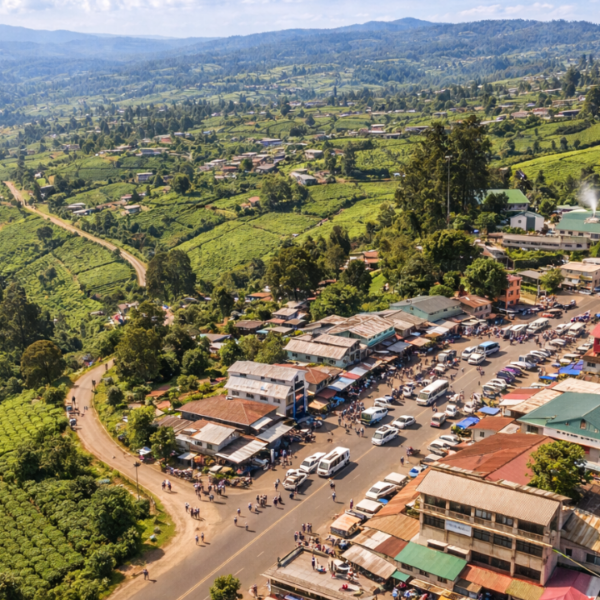
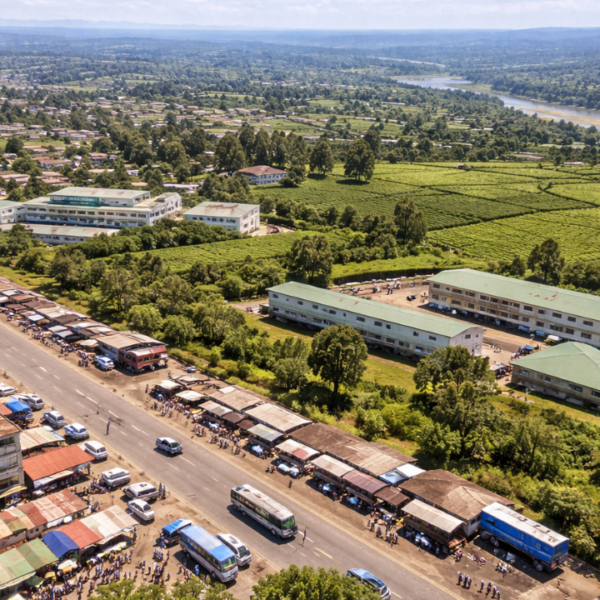
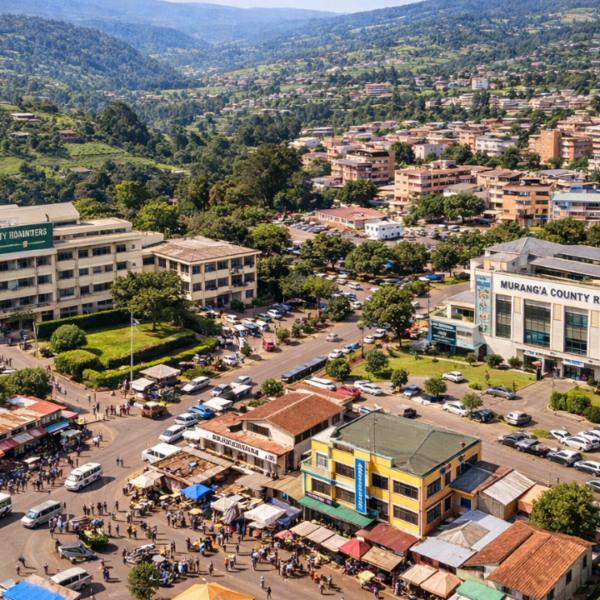
Murang’a County is quietly building one of Kenya’s most practical and impactful urban transformation models. The Murang’a Smart City Program is not just about technology. Instead, it focuses on infrastructure, accessibility, and business growth. As a result, small towns are evolving into vibrant economic centres.
This article explores the program in detail. It explains its goals, implementation, benefits, and long-term impact.
What Is the Murang’a Smart City Program?
The Murang’a Smart City Program is a county-led initiative that aims to modernize urban and peri-urban centres. The county government launched the program around 2022–2023 to address infrastructure gaps and unlock economic potential.
Unlike traditional “smart city” concepts that focus heavily on digital systems, Murang’a takes a practical, infrastructure-first approach. The program focuses on:
- Road upgrades
- Street lighting
- Drainage systems
- Urban beautification
- Improved public spaces
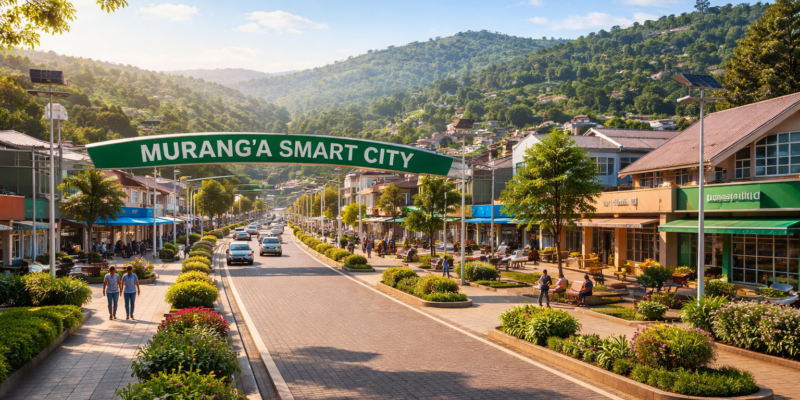
These improvements aim to create cleaner, safer, and more attractive towns for residents and investors.
Key Areas Covered by the Program
The initiative does not target a single town. Instead, it spreads development across multiple centres to ensure equitable growth.
Some of the towns benefiting from the program include:
- Murang’a Town
- Maragua
- Kangema
- Kangari
- Gatura
- Kabati
- Kenol
- Kiriaini
In total, over 14 towns have already seen improvements under the program.
Additionally, the county continues to expand the project to more market centres across all wards.
Core Infrastructure Developments
1. Road Upgrades and Cabro Paving
The county is investing heavily in road infrastructure. It plans to construct over 40 km of paved roads by 2026/27.
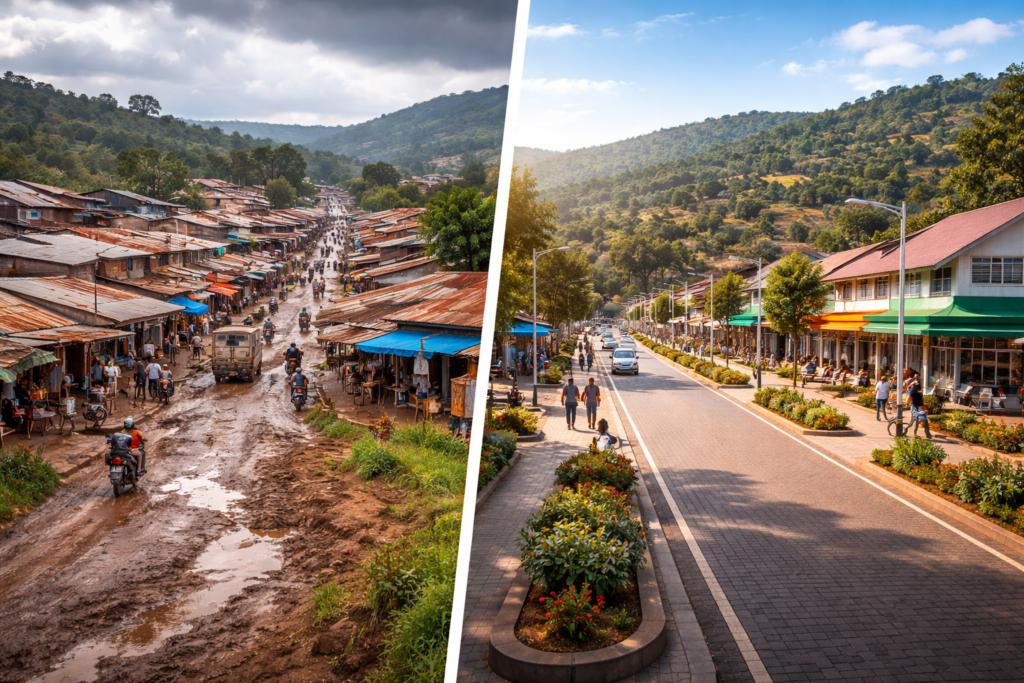
Cabro paving has become a key feature in many towns. It replaces muddy and dusty roads with clean, durable surfaces. As a result:
- Transport becomes easier
- Businesses attract more customers
- Towns look more organized
2. Drainage Systems
Flooding used to disrupt business activities in many centres. However, the Smart City Program addresses this challenge through modern drainage systems.
These systems:
- Prevent waterlogging
- Improve sanitation
- Maintain clean streets
Consequently, towns remain functional even during heavy rains.
3. Street Lighting and Security
The installation and repair of streetlights has significantly improved safety.
Well-lit streets allow:
- Businesses to operate longer hours
- Residents to move safely at night
- Reduced crime rates
This directly supports the growth of a 24-hour economy.
4. Urban Beautification
The program also focuses on making towns visually appealing. It includes:
- Landscaping
- Organized walkways
- Clean public spaces
As a result, towns become more attractive to investors and visitors.
Economic Impact of the Smart City Initiative
Boost to Local Businesses
The program creates a better environment for trade. Improved roads and lighting increase foot traffic and customer access.
Business owners now:
- Stay open longer
- Serve more customers
- Reduce operational challenges
According to reports, many towns have experienced an increase in customer flow and business activity.
Growth of Rural Market Centres
Previously neglected market centres are now thriving. The program has already upgraded over 30 markets across different wards.
This transformation:
- Attracts traders
- Encourages small businesses
- Supports rural economies
Job Creation and Investment Opportunities
Infrastructure development naturally attracts investment. Improved towns create opportunities in:
- Retail
- Real estate
- Transport
- Hospitality
Moreover, the county positions itself as a growing economic hub. This aligns with its broader goal of expanding trade and industrial activity.
Social Benefits for Residents
Improved Quality of Life
Residents now enjoy:
- Cleaner environments
- Better roads
- Safer streets
These improvements directly enhance daily living conditions.
Increased Accessibility
Better infrastructure connects towns more efficiently. This makes it easier for people to:
- Travel for work
- Access markets
- Receive services
Inclusive Development
The program spreads development across multiple towns. Therefore, it avoids concentrating growth in one area. This ensures that both urban and rural communities benefit equally.
A Shift from Traditional Smart Cities
Globally, smart cities often focus on advanced technologies like IoT and data systems. However, Murang’a takes a different approach.
The county prioritizes foundational infrastructure first. Then, it gradually integrates technology to improve service delivery.
This model works well because:
- It addresses immediate challenges
- It delivers visible results quickly
- It supports long-term digital integration
In fact, the program has already received recognition at national forums for its innovative approach.
Challenges Facing the Program
Despite its success, the initiative still faces several challenges:
Limited Funding
Although the county has allocated significant resources, infrastructure projects require continuous funding. For example, the program has a projected cost of KSh 1 billion for road development alone.
Rapid Urban Growth
As towns develop, population growth increases demand for services. This puts pressure on:
- Infrastructure
- Housing
- Public utilities
Maintenance and Sustainability
Building infrastructure is one thing. Maintaining it is another. The county must ensure:
- Regular repairs
- Proper waste management
- Sustainable urban planning
Future Outlook of Murang’a Smart City
The future of the program looks promising. The county plans to:
- Expand to more towns
- Increase road coverage
- Enhance connectivity
- Integrate more digital solutions
Ultimately, Murang’a aims to become a model county for smart urban development in Kenya.
The long-term vision focuses on:
- Sustainable growth
- Economic empowerment
- Improved service delivery
Conclusion
The Murang’a Smart City Program is transforming how rural towns grow and function. Instead of relying on complex technology, it focuses on practical solutions that deliver immediate impact.
By improving roads, lighting, drainage, and public spaces, the county creates an environment where businesses thrive and residents live better lives.
Most importantly, the program proves that smart development starts with strong infrastructure. As it expands, Murang’a could set a powerful example for other counties across Kenya and beyond.
What's your reaction?